PIPELINE CONNECTIVITY
The seamless connectivity of pipelines through Neerlandic Tankers BV’s expertise contributes significantly to:
* Minimizing Operational Downtime: Efficient pipeline connections prevent disruptions in the flow of crude oil, maximizing productivity and minimizing financial losses for clients.
* Enhancing Safety Standards: Properly engineered connections minimize the risk of leaks and spills, safeguarding both human life and the environment.
* Optimizing Transportation Efficiency: Connected pipelines allow for the continuous movement of crude oil, reducing transportation costs and lead times.
Neerlandic Tankers BV’s commitment to pipeline connectivity underscores their dedication to providing comprehensive solutions that meet the evolving needs of the global energy sector. Their technical prowess, coupled with a focus on safety and efficiency, positions them as a trusted partner for clients seeking reliable and sustainable crude oil transportation solutions.
Neerlandic Tankers BV, a leading name in the maritime industry, offers a comprehensive suite of services designed to facilitate the smooth and efficient transportation of crude oil. Among these offerings is a specialized focus on pipeline connectivity, a crucial aspect of modern energy infrastructure.
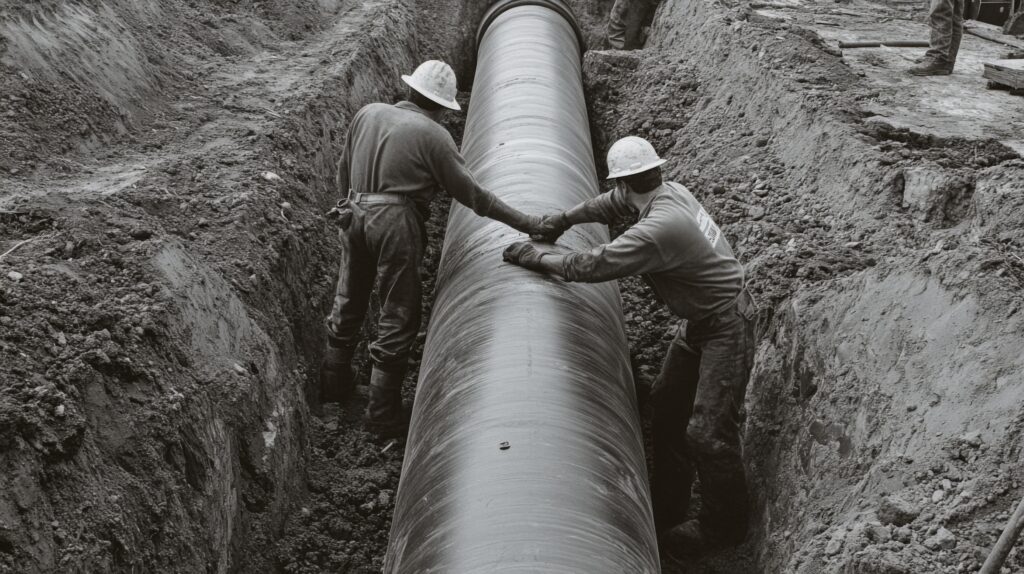
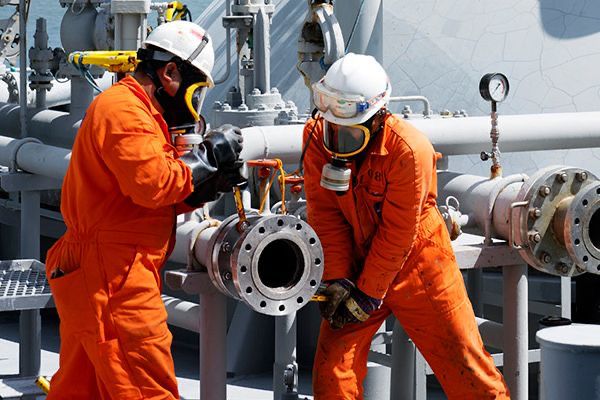
Connecting pipelines for crude oil transport demands meticulous planning and execution. Neerlandic Tankers BV possesses the technical expertise and experience necessary to undertake this complex task with precision. This involves:
* Thorough Site Assessment: Understanding the specific requirements of each pipeline connection is paramount. Factors such as pipeline diameter, material composition, operating pressure, and geographical constraints are carefully evaluated.
* Precision Engineering: Neerlandic Tankers BV utilizes advanced engineering techniques to design and fabricate custom-made connectors that ensure a secure and leak-proof union between pipelines.
* Rigorous Quality Control: Every stage of the connection process adheres to stringent quality control standards. This includes non-destructive testing methods to verify the integrity of welds and ensure long-term reliability.